

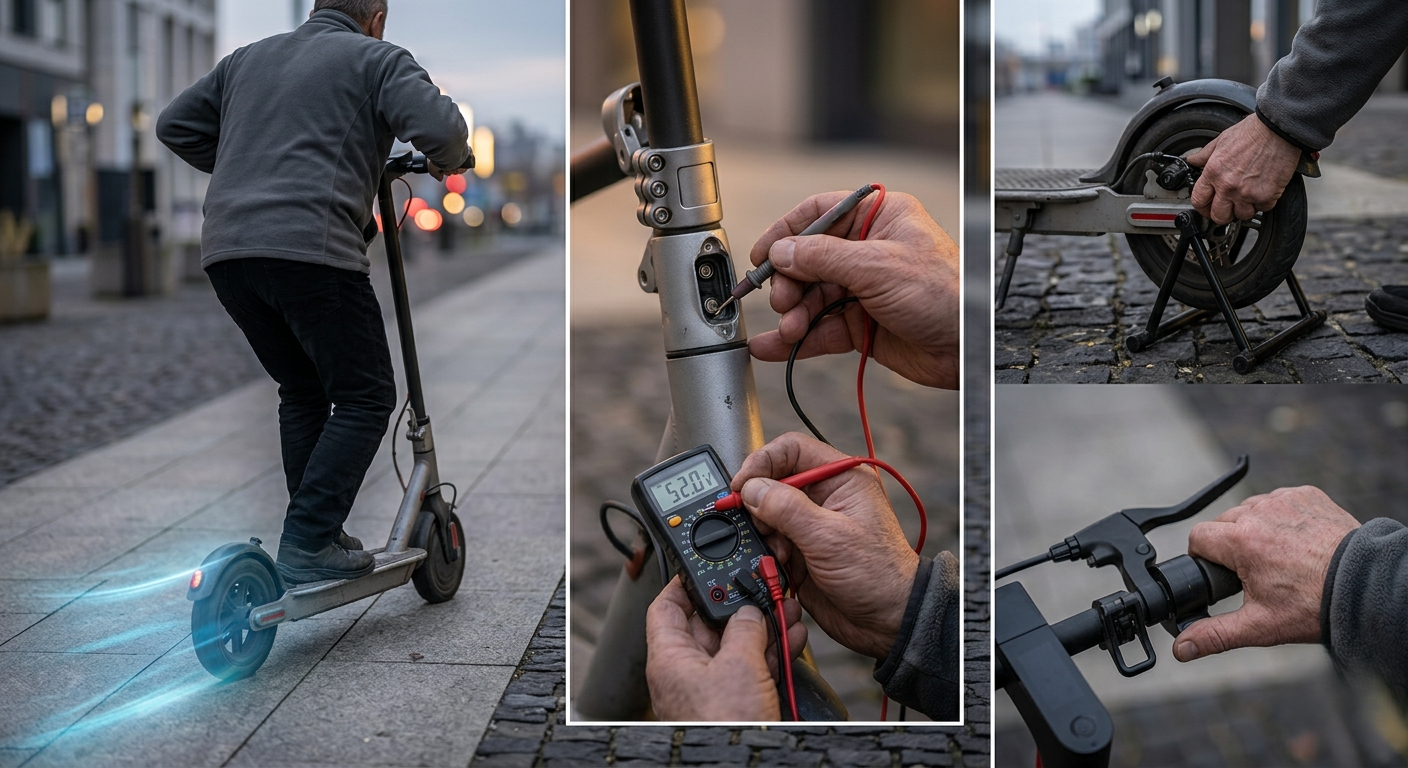
Electric scooter acceleration is slow performance issues can transform a fast, efficient daily commute into a frustrating and sluggish experience. When your vehicle lags behind upon pressing the throttle, it severely compromises your ability to keep up with urban traffic, makes climbing inclines nearly impossible, and significantly reduces the overall fun of riding. While some commuters assume a sudden drop in torque means their motor is permanently dead, experiencing a setup where your electric scooter acceleration is slow is usually a clear indicator of battery degradation, improper software configurations, or mechanical brake drag. [Understanding the exact root causes behind lagging torque] is the ultimate way to diagnose why your power delivery has dropped, fix the sluggish throttle response, and restore your vehicle’s original factory speed.
Why Your Electric Scooter Acceleration Is Slow
By systematically isolating electronic faults and replacing worn hardware, you can permanently eliminate a sluggish throttle response before it ruins your daily ride. Many commuters get frustrated when their electric scooter acceleration is slow, but most frequently, the issue can be traced back to battery voltage drops, outdated firmware, or tight brake pads. Learning how to troubleshoot electronic speed drops prevents minor performance lags from compounding into expensive controller failures.
Resolving the Electric Scooter Acceleration Is Slow Threat Promptly
Regularly monitoring your vehicle’s power output ensures that you maintain optimal efficiency on every commute. By applying a proactive maintenance routine, you can quickly diagnose why your electric scooter acceleration is slow and take immediate action to make your personal mobility device punchy, highly responsive, and completely reliable for fast acceleration.
5 Steps to Fix an Electric Scooter Acceleration Is Slow Performance Issue
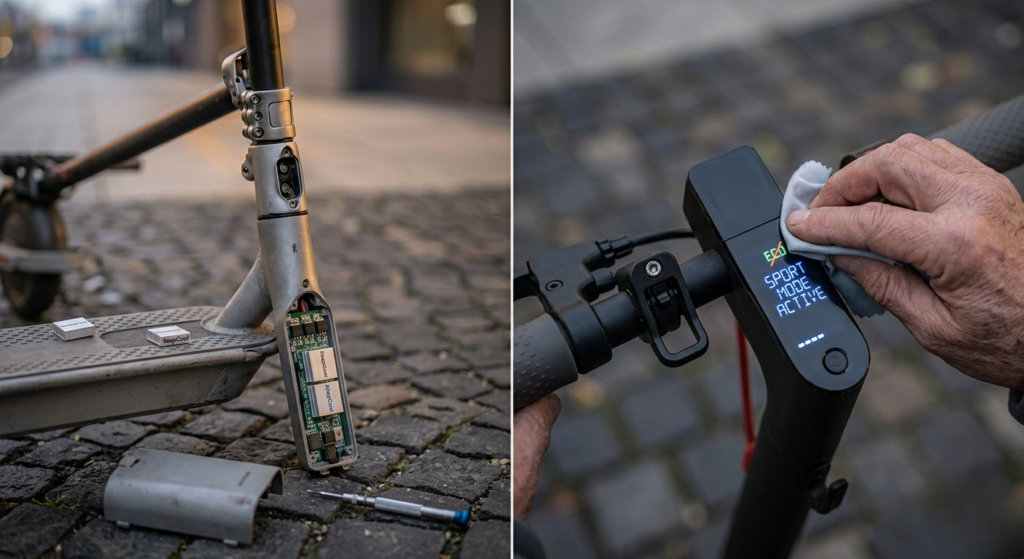
1. Disable Eco Mode and Verify Speed Limit Software Settings
The most common and easily overlooked reason why your electric scooter acceleration is slow is an accidental change in the vehicle’s internal speed modes. Most modern machines feature multiple riding profiles (Eco, Comfort, and Sport) that directly limit power delivery to save battery.
- The Fix: Check your handlebar display panel or log into your vehicle’s official mobile application. Ensure that you have fully disabled “Eco Mode” and switched the profile directly into “Sport Mode” or “Turbo Mode” for maximum torque output. If your electric scooter acceleration is slow profile persists, check the advanced settings menu to ensure the global speed limit percentage hasn’t been turned down accidentally.
2. Inspect for Brake Caliper Dragging and Mechanical Friction
If your electric motor has to fight against a sticking brake pad, your overall torque delivery will drop massively, creating a scenario where your electric scooter acceleration is slow. This extra mechanical friction puts immense strain on your powertrain.
- The Fix: Elevate your vehicle on a maintenance stand and spin both the front and rear wheels manually. If a wheel stops spinning quickly or makes a constant rubbing noise, your brakes are improperly adjusted. Use a hex wrench to realign the brake calipers or loosen the tension cable slightly until the wheels spin completely freely. Eliminating this friction will immediately resolve a false electric scooter acceleration is slow issue.
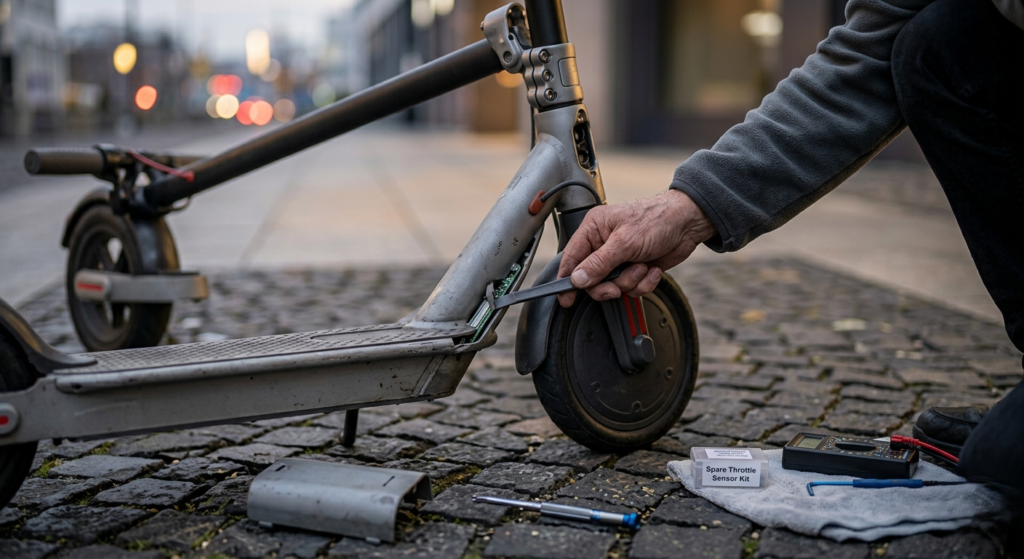
3. Check Battery Voltage Health and Charge Levels
A weak, cold, or degraded lithium-ion battery pack is a primary culprit behind a situation where your electric scooter acceleration is slow. When battery cells age or drop below a certain voltage threshold, they cannot supply the high current (amperage) required by the motor during initial takeoff.
- The Fix: Plug your vehicle into its original charger and wait until the indicator light turns completely green. If you notice your power dropping rapidly under load, use a digital multimeter to test the output voltage of the battery pack. If the voltage reading is significantly lower than the manufacturer’s rated specification, you may need a full battery replacement to eliminate your electric scooter acceleration is slow voltage sag.
4. Recalibrate a Lagging or Damaged Throttle Sensor
The throttle mechanism on your handlebars sends a precise electronic signal to the internal speed controller. If the internal magnets inside the thumb or twist throttle shift out of alignment, the controller will only receive a partial signal, causing an electric scooter acceleration is slow output even when you press the lever down fully.
- The Fix: Inspect the handlebar throttle assembly for physical cracks, sticky residue, or loose wiring connections. You can clean the inner housing with electronic contact cleaner to remove dirt. If the sensor is permanently damaged, swapping it out for a cheap replacement throttle will instantly fix your communication lag and correct the electric scooter acceleration is slow response.
5. Prevent Controller Overheating and Failing Mosfets
The internal electronic speed controller acts as the brain of your machine, regulating power from the battery to the hub motor. If you have been riding up steep hills frequently, the controller can overheat, triggering a safety thermal throttling mechanism that explains why your electric scooter acceleration is slow.
- The Fix: Allow your vehicle to sit in a cool, shaded environment for at least 30 to 45 minutes to let the internal electronics cool down completely. If the sluggish performance remains permanent even when cool, your controller may have partially blown a Mosfet transistor.
Replacing a damaged speed controller assemblywill fully restore your motor’s peak acceleration capabilities and cure the electric scooter acceleration is slow electronic lag.
Final Takeaways on Fixing an Electric Scooter Acceleration Is Slow Flaw
Consistently checking your software settings and maintaining free-spinning wheels before every ride is an essential habit for any commuter. Keep in mind that ignoring a situation where your electric scooter acceleration is slow can place severe, uneven electrical stress on your entire electrical system over time.
For example, forcing a lagging powertrain to climb steep inclines can cause your electric scooter losing power uphill completely due to melted phase wires or total battery shutdown. Furthermore, severe electrical strain can leave you stranded on the road wondering why does my electric scooter beep or flash cryptic diagnostic fault codes on the screen. Treat every minor drop in acceleration as an essential roadmap to permanently eliminate the electric scooter acceleration is slow defect, keeping your personal mobility device incredibly punchy, powerful, and fun for long-term use.