

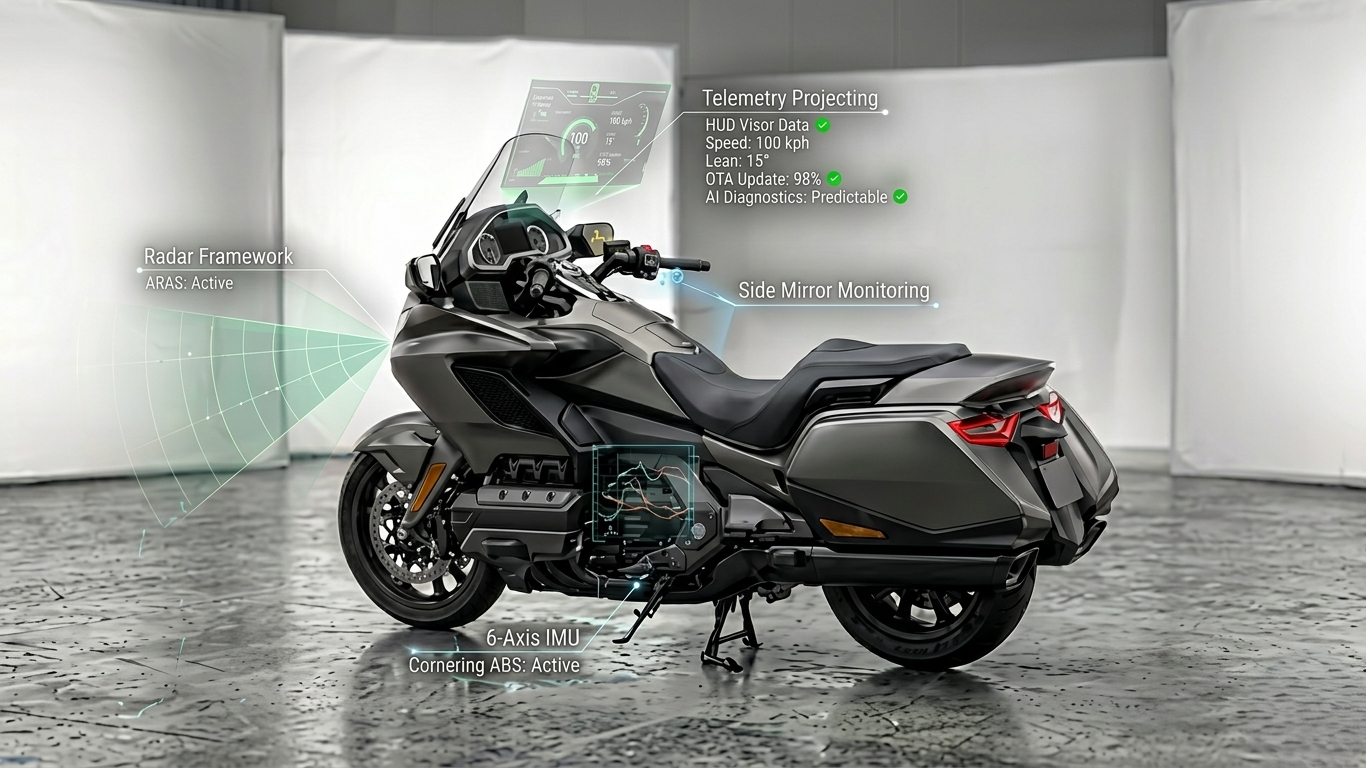
Motorcycle are no longer just engines and wheels. Today, cutting-edge electronics from MotoGP are making their way to factory bikes. Here are the smartest tech feactures reshaping the modern riding experience. systematically transforming the global powersports industry from a purely mechanical domain into an ecosystem of highly connected, software-defined vehicles. For decades, the essence of riding a two-wheeler relied entirely on a rider’s physical reflexes, manual throttle inputs, and mechanical brake control. Smart Motorcycle Tech: Top Modern Feature Every Rider Need in 2026
Why Smart Tech Features in Modern Motorcycles Matter
By systematically reviewing how electronic control units (ECUs) interact with multi-axis sensors, you can appreciate how modern bikes actively correct operational errors before they lead to severe traffic accidents. The engineering drive behind expanding focuses heavily on stabilizing high-powered powertrains under less-than-ideal road conditions like wet asphalt or loose gravel patches.These advanced systems
Utilizing Smart Tech Features in Modern Motorcycles Safely
Regularly updating your motorcycle’s central firmware via mobile applications ensures your stability assistance programs function with the latest safety patches. Incorporatingguarantees your ride remains highly predictable, manageable, and dynamically matched to changing environmental conditions around you.Smart Motorcycle Tech
4 Game-Changing Smart Tech Features in Modern Motorcycles
1. Radar-Based Advanced Rider Assistance Systems (ARAS)
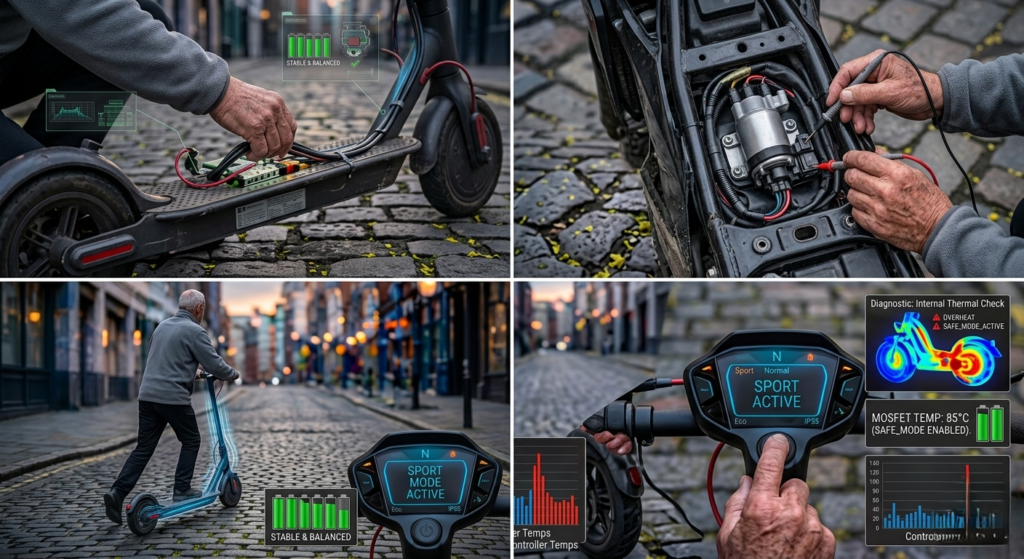
The integration of front and rear millimeter-wave radar sensors is one of the most significant safety additions within the category. These small sensors constantly scan the road environment to monitor surrounding traffic movements in real-time.
- How It Works: Front-facing radar enables adaptive cruise control, automatically adjusting your bike’s highway speed to maintain a safe following distance from vehicles ahead. Meanwhile, rear-facing radar sensors drive blind-spot monitoring systems, activating bright LED warning lights on your side mirrors if a vehicle approaches rapidly from behind during a lane change.
2. Six-Axis Inertial Measurement Units (IMUs) for Cornering ABS
An IMU acts as the central digital brain of a motorcycle, measuring pitch, roll, yaw, and longitudinal forces up to 100 times per second. This precise data stream makes it a premier highlight among.
- How It Works: Traditional anti-lock braking systems can cause a motorcycle to stand up and run wide if activated aggressively mid-turn. Lean-angle sensitive cornering ABS utilizes real-time IMU metrics to adjust brake pressure across your front and rear wheels based on how far the bike is leaning, allowing you to stop safely mid-corner without sliding out.
3. Integrated Augmented Reality (AR) and HUD Cockpits
Looking down at a traditional dashboard screen takes a rider’s eyes off the road for crucial seconds. Modern manufacturing brands are overcoming this visual distraction by embedding heads-up displays (HUDs) into premium helmet visors and smart windscreens, leading a visual shift in.
- How It Works: These systems project crucial telemetry data—including turn-by-turn navigation arrows, current speed limits, and traffic collision warnings—directly into the rider’s natural line of sight. This tech ensures you never have to take your eyes off a dark trail or busy city intersection to read your navigation path.Smart Motorcycle Tech
4. Over-The-Air (OTA) Updates and Predictive AI Diagnostics
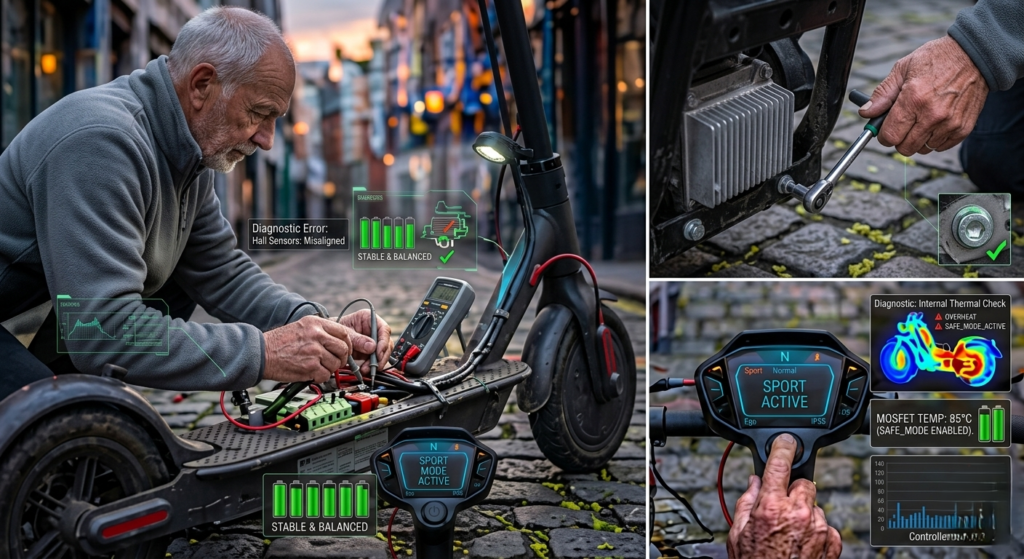
Modern motorcycles function increasingly like high-performance computers on wheels. Advanced internet connectivity allows manufacturers to deliver massive over-the-air software updates directly to your garage, cementing digital optimization as a standard aspect of
- How It Works: Instead of visiting a physical dealership to fix minor bugs or tune engine mappings, your bike updates its operating system automatically via Wi-Fi. Predictive AI algorithms also monitor battery voltages, brake pad degradation, and fluid lifespans, sending detailed maintenance alerts to your smartphone before a component fails mid-ride. Smart Motorcycle Tech
How Smart Electronics Reshape the Automotive Industry
The widespread adoption of these advanced computing nodes is not happening in a vacuum. In fact, these complex electronic maps are the primary reason engineering groups can successfully comply with strict environmental laws like the upcoming motorcycle emission standards, using digital ride-by-wire throttles to regulate fuel burn perfectly.
Furthermore, these safety and monitoring technologies are becoming standard equipment across highly anticipated models found in the upcoming adventure motorcycles 2026 category, where off-road riders rely heavily on digital systems to manage heavy terrain loads. As traditional internal combustion platforms face tighter restrictions, this software-heavy infrastructure layout transitions perfectly into the electric adventure motorcycles market, where digital management code controls everything from battery thermal ranges to electric motor regeneration rates. Smart Motorcycle Tech
Final Takeaways on Embracing Smart Tech Features in Modern Motorcycles
Consistently tracking your software alerts and adjusting your traction intervention modes to match road conditions is an essential habit for long-term safety. Keep in mind that treating your motorcycle as an evolving digital platform allows you to enjoy premium safety features that were completely unavailable a decade ago.
As radar networks, automated emergency braking systems, and smart helmet networks continue to advance, riding a motorcycle will become safer and more accessible for new enthusiasts worldwide. Embracing these keeps your journey completely protected, rigid, and connected, ensuring you can explore open highways and technical trails with total confidence.